MemeHub guide
How to Make a Reaction Meme
A reaction meme is a tiny piece of visual timing. The words explain what happened; the image delivers the response that the audience recognizes before they finish reading.
By Fardeen · Updated 2026-08-23
Name the feeling and the trigger
Start with the response you want the image to communicate: disbelief, relief, embarrassment, suspicion, delight, or frustration. Then write the event that caused it in a plain sentence. “The meeting ends, then someone adds a new agenda item” is a stronger starting point than “make a funny work meme” because it contains a specific trigger and a point of view.
Separate the trigger from the intensity. A small inconvenience can work with a dry stare, while a genuine surprise needs an expression that can carry more energy. Matching the size of the reaction to the size of the event keeps the joke intentional instead of making the image feel randomly dramatic.
If the reaction is meant for a particular group, decide how much context they already share. A gaming community may understand a match reference immediately, while a broader audience may need one extra word in the setup. Use the caption to provide that bridge rather than choosing an image with a completely different emotion.
- Write the event before searching for the image.
- Choose one dominant emotion.
- Decide whether the audience needs one context word.
Choose an expression that does useful work
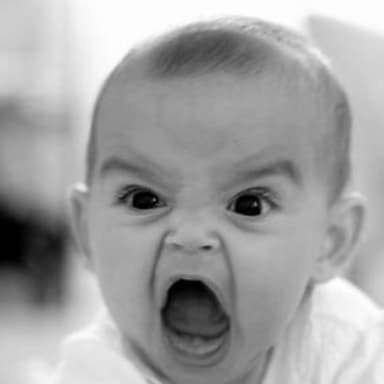
Browse for the visual response, not only for the most famous template name. Look at the eyes, mouth, hands, posture, and direction of the subject. A raised eyebrow can communicate doubt, a frozen pose can communicate panic, and a calm face can make an over-the-top caption funnier through contrast.
The image should add information that the words do not repeat. If the face already looks shocked, do not spend the whole caption saying “I am shocked.” Describe the message, decision, or awkward moment that caused the reaction and let the image finish the sentence.
Check the crop before committing. A reaction depends on a small visual signal, so cutting off the face, hands, or surrounding context can remove the reason the format works. Choose a template that remains readable when it is displayed at the size your audience will actually see.
Write a short setup and leave room for the punchline
Use the caption to establish the situation and let the expression supply the response. A simple structure is “the moment when…” followed by the event, but do not keep the phrase if it makes the line sound generic. A direct sentence often lands faster.
Draft several versions with different levels of specificity. The first can explain the situation, the second can remove unnecessary background, and the third can exaggerate the final detail. Read each version at phone size and keep the shortest one that a person outside the original conversation can understand.
Avoid stacking a second joke on top of the reaction unless the format clearly supports it. Extra labels, hashtags, and explanations compete with the expression. If the caption is long because the image is ambiguous, choose a clearer format instead of shrinking the words.
- Put context in the words and emotion in the image.
- Keep the final phrase as the turn.
- Do not cover the visual detail that makes the reaction recognizable.